
A balance bike is a small pedal-free bicycle that lets a child move forward by pushing with their feet. Some two-year-olds enjoy this style of riding, while others are happier with a scooter, tricycle or simply walking and running outdoors.
Before choosing a bike, check your child’s fit and confidence rather than relying on age alone. This guide covers sizing, weight, brakes, helmets and safe places to practise.
Disclosure: This post contains Amazon affiliate links. As an Amazon Associate I earn from qualifying purchases at no extra cost to you.
In This Article
Balance Bikes and Training Wheels: How They Differ
Training wheels and balance bikes teach different skills. Training wheels provide lateral support while a child practises pedalling; a balance bike lets a child practise steering and balancing while pushing with their feet. Neither option is best for every child.
A balance bike eliminates pedals altogether. Toddlers sit on the saddle and push themselves forward using their feet. This intuitive design allows them to focus 100% on mastering their equilibrium first. Once balance is second nature, transitioning to a real pedal bike happens seamlessly—often without ever needing training wheels!
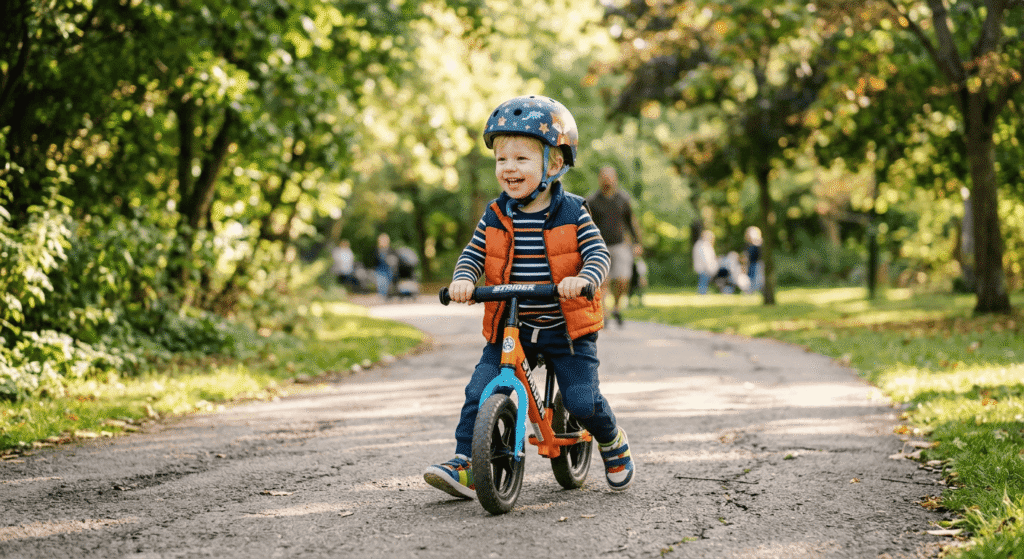
What Children Can Practise on a Balance Bike
At age two, a child’s brain and muscular system are undergoing rapid development. Integrating a balance bike into their daily play routine offers incredible advantages:
- Gross Motor Skill Mastery: Steering and pushing off strengthen core muscles, legs, and overall spatial awareness.
- Enhanced Coordination: Learning to stop, balance, and turn simultaneously boosts neurological coordination.
- Early Confidence Booster: When toddlers realize they can control their speed and balance independently, their self-esteem skyrockets.
- Outdoor Active Lifestyle: Encourages screen-free play and instills a lifelong love for physical fitness early on.
According to research published by the American Academy of Pediatrics, encouraging active outdoor play through balance activities significantly improves early motor development and physical health in toddlers.
Features to Check Before Buying
Compare toddler balance bikes on Amazon (affiliate link).
Not all balance bikes are created equal, especially when shopping for tiny two-year-olds. Here are the essential features to evaluate before making a purchase:
1. Weight and Frame Material
A 2-year-old needs a bike they can lift, drop, and maneuver on their own. As a rule of thumb, the bike should not weigh more than 30% of your child’s total body weight. Look for lightweight materials such as aluminum, high-grade plastic, or treated birchwood.
2. Seat Height Adjustability
Toddlers grow rapidly! Choose a bike with an adjustable seat height so it can grow with your child from age 2 to age 4. When sitting on the saddle, your child’s feet should rest flat on the ground with a slight bend at the knees.
3. Tire Types (Air vs. Foam)
- EVA Foam Tires: Lightweight, puncture-proof, and maintenance-free. Perfect for indoor riding and smooth pavements.
- Air-Filled Pneumatic Tires: Provide superior traction and cushioning on rough outdoor terrain, gravel, or grass.
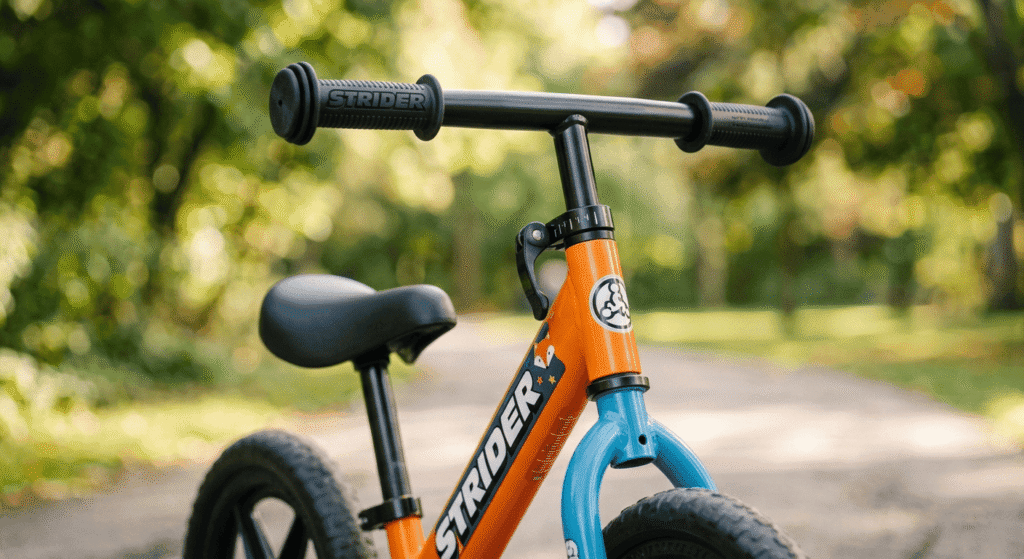
4. Safety Handles and Steering Limiters
Soft rubber grips with expanded ends protect little hands from scrapes. A built-in steering limiter prevents the handlebars from spinning completely around, stopping sharp jackknife falls.
Top Recommended Balance Bikes for 2-Year-Olds
Browse balance bikes for two-year-olds on Amazon (affiliate link).
We have selected several balance bikes to help parents compare their features, sizing, and suitability for young children.
1. Strider 12 Sport Balance Bike (Best Overall)
The Strider 12 Sport is widely considered the gold standard for toddlers. Weighing under 7 lbs, it features an ultra-low seat height, tool-free seat adjustment, and puncture-proof foam tires. It is built to last through multiple siblings.
2. Woom 1 Balance Bike (Premium Choice)
Engineered specifically for toddlers, the Woom 1 features a super lightweight aluminum frame, custom toddler-sized hand brakes, and high-traction air tires. It offers the smoothest ride for outdoor adventures.
3. Radio Flyer Glide N Go (Best Budget Option)
An affordable yet highly durable choice, this bike offers a classic steel frame, comfortable padded seat, and maintenance-free EVA tires. Excellent quality for parents on a budget.
4. KaZAM Mini (Best for Indoor & Early 2s)
Designed for younger toddlers, this model features a sturdy three-wheel/four-wheel hybrid setup that provides maximum stability for beginners just taking their first strides.
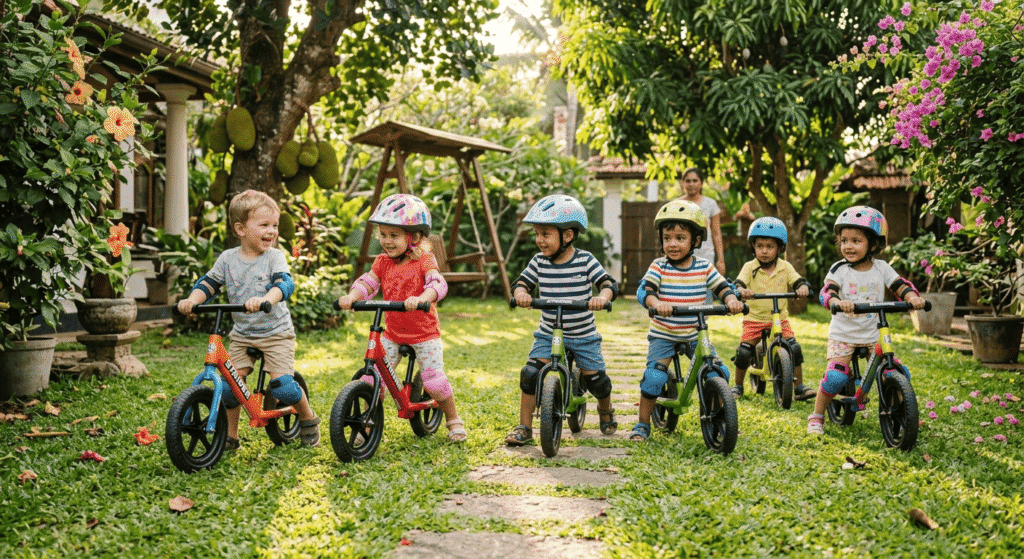
Safety Tips for Balance-Bike Practice
See toddler bike helmets on Amazon (affiliate link).
Before your child sets off on their first adventure, safety must be the top priority:
- Always Wear a Properly Fitted Helmet: Never compromise on head protection. Look for CPSC-certified toddler helmets.
- Wear Closed-Toe Shoes: Protect little toes from scrapes; avoid sandals or crocs while riding.
- Choose Safe Riding Areas: Keep toddlers away from roads, steep hills, and swimming pools. Driveways, flat parks, and indoor hallways are ideal starting grounds.
For comprehensive safety guidelines on proper helmet fitting, you can check out the official National Highway Traffic Safety Administration (NHTSA) Bicycle Safety Guide.
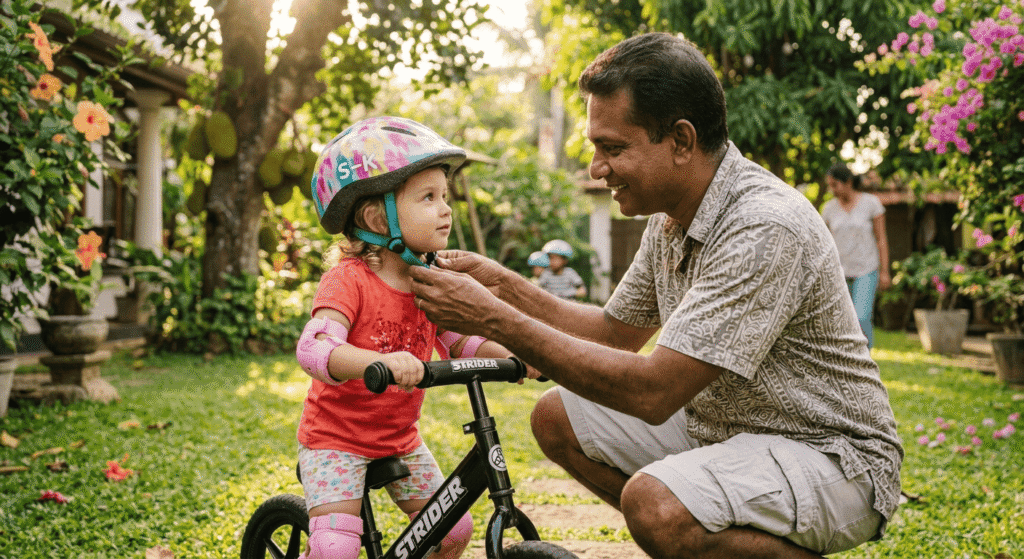
How to Help Your 2-Year-Old Get Started
Transitioning to a balance bike takes patience. Do not expect your toddler to glide effortlessly on day one!
- Step 1: The Walk Stage. Initially, your toddler will simply stand over the frame and walk the bike. Let them set the pace.
- Step 2: The Sit-and-Walk Stage. Once comfortable, they will sit on the saddle while walking their feet along.
- Step 3: The Run-and-Stride Stage. As confidence grows, they will push off faster and lift their feet to glide.
Praise their effort, keep practice sessions short (10-15 minutes), and keep it fun!
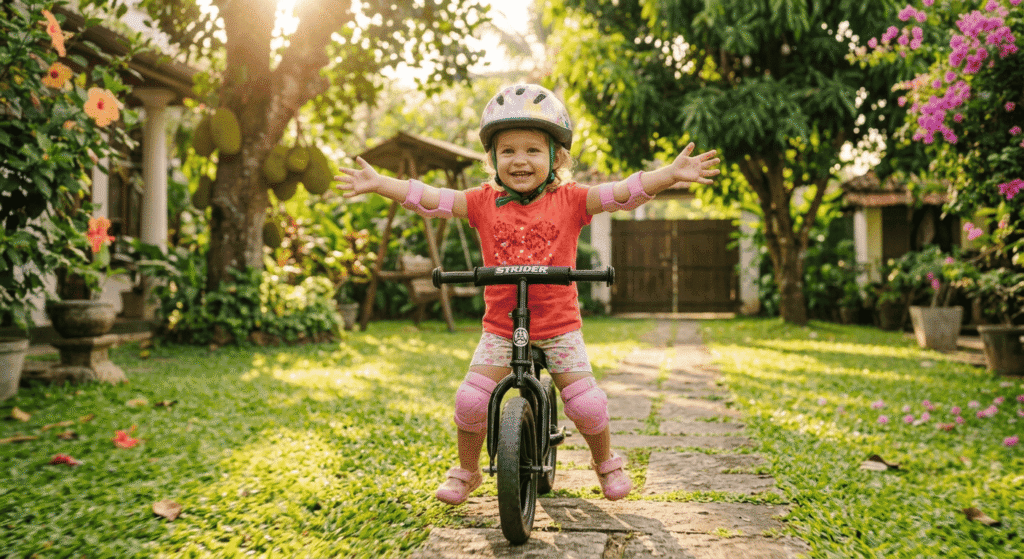
Final Thoughts: Investing in Your Child’s Growth
Choosing a balance bike can be a fun way to introduce a child to a two-wheeled riding experience when they are ready. With a correctly sized bike and close supervision, children can practise starting, stopping, steering and balancing at their own pace. It is one option for active play, not a requirement for healthy development or future cycling.
Give your child time to explore the bike without pressure. Keep practice sessions short, stay nearby and let their comfort and interest guide each session.
“To support early milestones with purposeful play, discover the [Best Educational Toys for 1-Year-Olds That Teach, Not Distract].”
“If you are deciding between different toy materials, read our breakdown on [Wooden Toys vs. Plastic Toys: Why Parents Choice Eco-Friendly Play].”
Frequently Asked Questions
Can every two-year-old ride a balance bike?
No. Readiness varies. A child should be able to sit comfortably, place both feet on the ground and understand simple stopping instructions.
Does a balance bike guarantee an easier transition to a pedal bike?
No. It may help some children practise steering and balance, but progress differs and a balance bike is not essential for learning to ride.
Does my child need a helmet?
Yes. Use a properly fitted, age-appropriate bicycle helmet and practise away from traffic on a smooth, level surface.