
Art gives toddlers a way to experiment with colour, texture and shape before they can explain every idea in words. Choosing materials for very young children takes extra care because some children still mouth crayons, paintbrushes or craft pieces.
This guide explains what safety labels do—and do not—mean, compares common art materials and offers simple ways to set up a manageable creative space.
Disclosure: This post contains Amazon affiliate links. As an Amazon Associate I earn from qualifying purchases at no extra cost to you.
In This Article
Why Creative Expression Matters in Early Childhood
Engaging in open-ended art activities is far more than just a fun afternoon distraction; it is a holistic developmental workout for a toddler’s growing brain.
When a child holds a chubby crayon, dips their fingers into washable paint, or rolls playdough, they are actively developing:
- Sensory Processing: Feeling different textures—smooth clay, sticky glue sticks, crinkly tissue paper—stimulates neural connections.
- Fine Motor Coordination: Pinching, squeezing, and scribbling build the hand and finger strength necessary for future writing.
- Emotional Regulation: Art provides a therapeutic, low-pressure outlet for toddlers to release energy and express feelings frustration-free.
- Cognitive Flexibility: Deciding which color to pick or how to connect two craft pieces teaches early planning and cause-and-effect reasoning.
In the United States, art materials are subject to labelling and safety requirements, but parents should still check the specific product label and intended age. The CPSC’s toy rules do not mean every art supply is automatically suitable for toddlers.
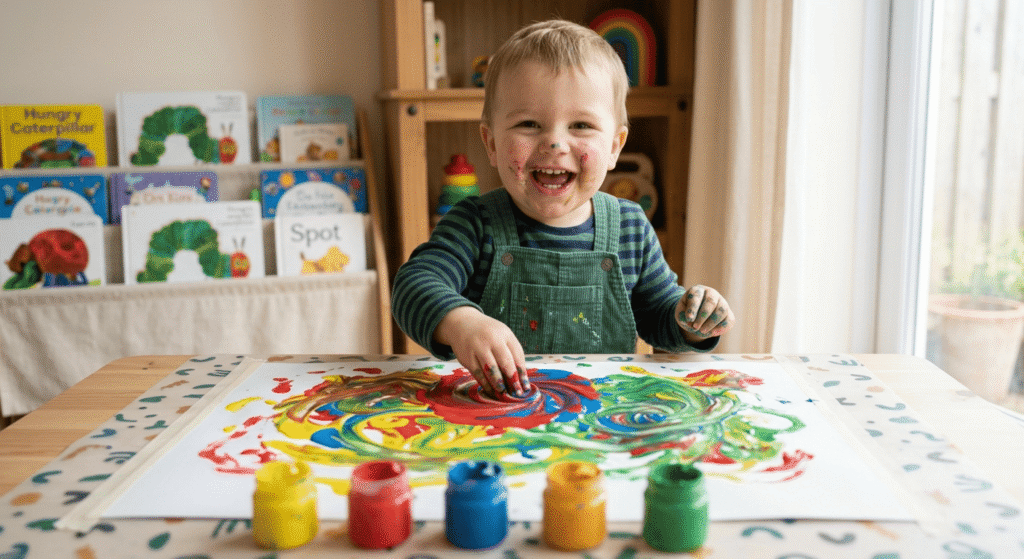
What to Check on Art-Supply Labels
When shopping for creative supplies for toddlers, reading product labels carefully is essential. Here are the key safety certifications and features to look for:
1. AP Non-Toxic Seal (ACMI Certified)
Look for the Art & Creative Materials Institute (ACMI) AP (Approved Product) Seal. ACMI says the seal identifies art materials evaluated by a board-certified toxicologist as non-injurious when used as intended. It does not mean the product is food or should be eaten. Follow the label and supervise children.
2. Washable Formulations
Toddlers rarely keep art on paper alone. High-quality toddler kits feature ultra-washable water-based formulas that easily rinse out of clothing, carpets, and skin with warm water and soap.
3. Ergonomic, Choke-Safe Designs
For young children, choose art tools that are easy to hold and specifically labelled for their age. A thick shape may be easier for some toddlers to grasp, but size and shape alone do not remove choking risk; supervise and remove broken or detached pieces.
4. Avoiding Unsafe DIY Materials
Choose products labelled for your child’s age and follow the manufacturer’s directions. Plant-based or food-derived ingredients do not automatically make an art product safe to eat or suitable for every child.
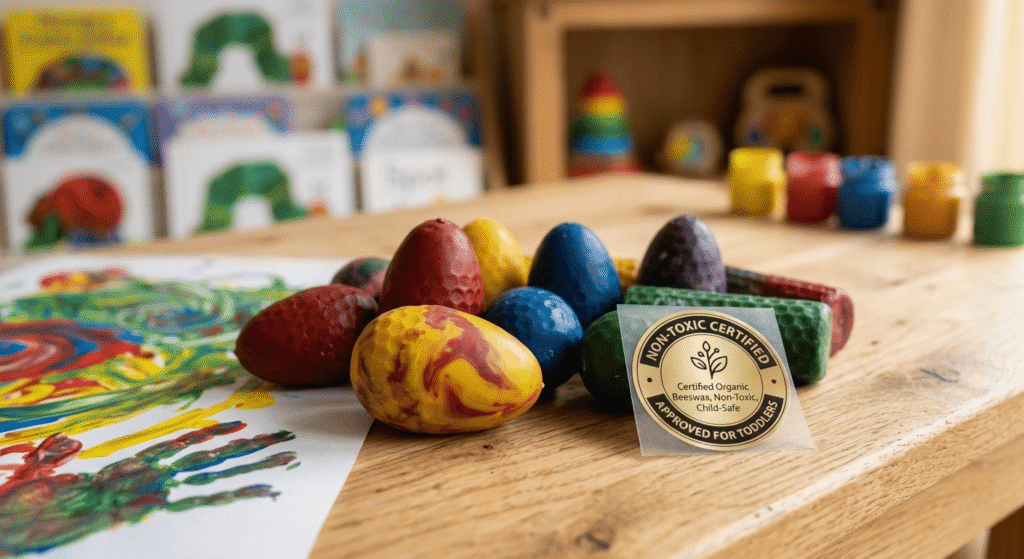
Choosing Art Supplies for Young Children
Here are our top picks for age-appropriate, non-toxic craft kits that deliver maximum creative fun with minimal safety stress:
1. Honeysticks 100% Pure Beeswax Crayons (Best Overall for Early Toddlers)
See beeswax crayons for toddlers on Amazon (affiliate link).
These thick crayons are designed for small hands. Check the manufacturer’s age guidance, supervise use and remove any broken pieces. Even products labelled non-toxic should not be eaten.
2. Crayola My First Safety Scissors and Paper Kit (Best for Cutting Skills)
Browse toddler-safe scissors and paper kits on Amazon (affiliate link).
Child-sized safety scissors may be designed to make cutting paper easier for beginners, but they can still cause injury and should never be described as unable to cut skin, hair or clothing. Use only at the age recommended by the manufacturer, with an adult directly supervising.
3. Jar Melo Finger Paint Set (Best Sensory Art Kit)
Explore washable finger paint sets on Amazon (affiliate link).
Choose finger paints labelled for your child’s age and follow the package instructions. Keep paint away from mouths and eyes, and supervise the activity throughout.
4. Alex Discover Button Art Kit (Best Mess-Free Craft Kit)
A peg-and-board activity avoids wet paint and glue, but it is not necessarily mess-free or suitable for every toddler. Check the recommended age, make sure pieces are too large to pose a choking risk, and supervise closely.

Setting Up a Toddler-Friendly Art Station
Many parents avoid art activities due to fear of chaotic messes. Creating a dedicated, stress-free creative space makes art time enjoyable for everyone:
- Define the Space: Use a plastic splash mat or old vinyl tablecloth on the floor or child table to catch spills.
- Use Wearable Protection: Equip your toddler with a long-sleeved, waterproof art smock to protect clothing.
- Offer Controlled Choices: Limit the number of supplies available at once. Giving a toddler 3 paint colors instead of 12 reduces overwhelm and limits potential messes.
- Embrace Process Over Product: Focus on the fun of smearing, sticking, and exploring rather than trying to make a picture-perfect craft.
For more insights on safe crafting and creative milestones in early childhood, explore the art guidelines curated by PBS KIDS for Parents.

Choosing Materials for Home Art Activities
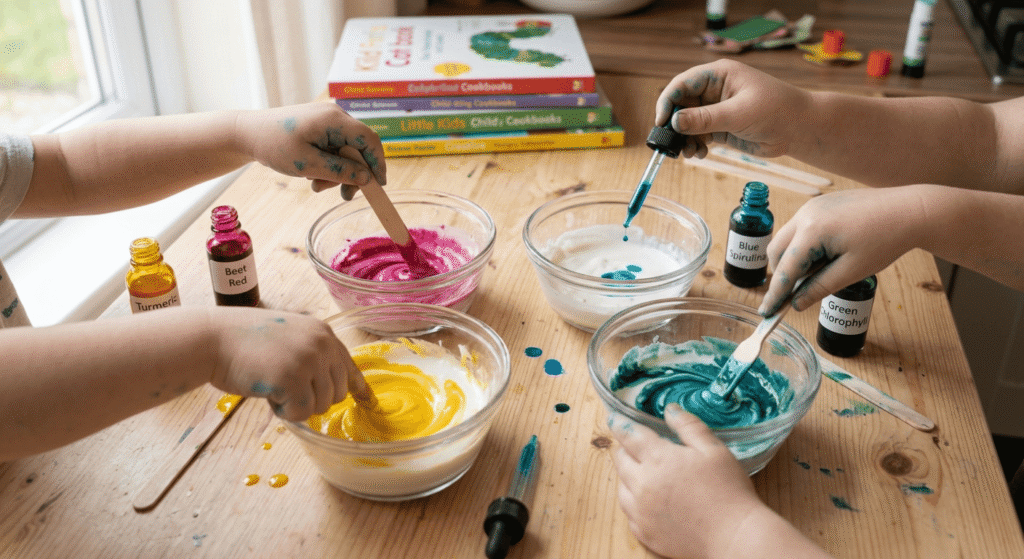
For toddlers who still mouth objects, commercially prepared art supplies labelled for their age are generally easier to choose than homemade mixtures. Follow all package directions, keep materials out of the mouth and supervise closely.
Homemade mixtures are not automatically safer because they use kitchen ingredients. They may still cause choking, irritation, allergic reactions or illness if swallowed. Never describe an art mixture as intended for eating unless it is specifically prepared and intended as food—and keep art activities separate from eating.
Final Thoughts: Nurturing Toddler Creativity Safely
Age-labelled art materials, clear instructions and close supervision can help parents make more informed choices. An AP seal is useful information about the product’s toxicological evaluation when used as directed, but it does not replace age guidance, safe storage or supervision.
Pick up a safe craft kit today, lay down a splash mat, and enjoy watching your little artist create their next masterpiece!
“To boost your child’s creativity and imagination through open-ended play, check out the [Best Building Blocks for Toddler Imagination].”
“If you want to support your child’s language skills, explore these [Top Language Development Toys for 18-Month-Olds to Encourage Early Speech].”
Frequently Asked Questions
Does ‘non-toxic’ mean an art product is safe to eat?
No. Non-toxic does not mean intended for eating or intended for consumption. Keep all art materials out of the mouth and follow the label.
Are homemade paints and dough automatically safer?
No. Kitchen ingredients can still cause choking, allergies, irritation or illness if eaten or stored improperly. Use recipes and materials intended for the child’s age, supervise closely and do not describe them as food.
What does the ACMI AP seal mean?
It identifies art materials evaluated under the programme’s criteria for chronic toxicity. It does not mean the product is intended for eating or risk-free; follow all package directions.