
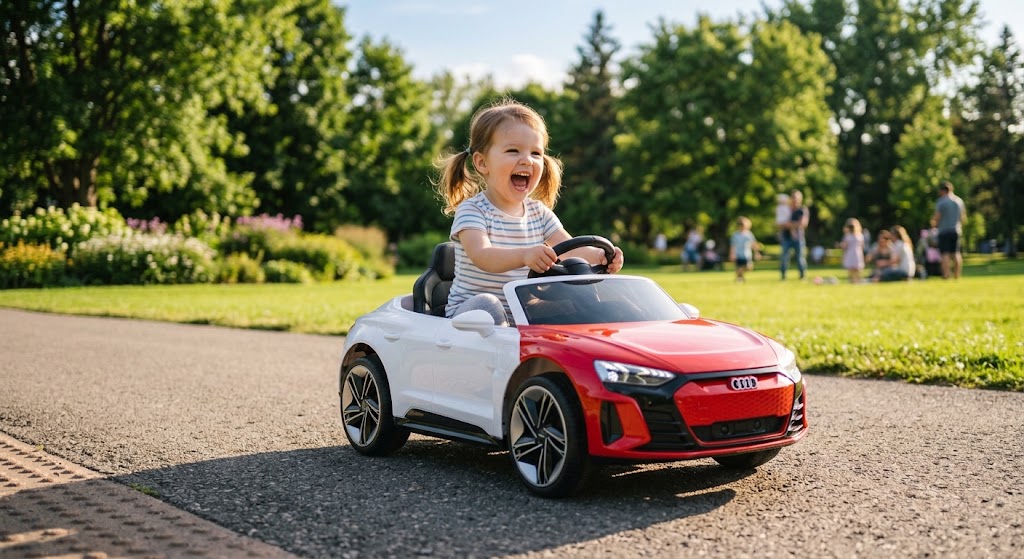
Choosing the Best 12V Electric Ride-On Cars for 3-Year-Olds is an exciting milestone for parents seeking to upgrade their toddler’s outdoor play experience. As children reach the age of three, their motor skills, hand-eye coordination, and spatial awareness expand rapidly. While smaller 6V ride-on vehicles are perfect for indoor glides, a 12V vehicle provides the extra power, traction, and speed required to navigate backyard grass, asphalt, and gentle inclines comfortably.
At The Sprout Minds, we help parents choose toys that promote healthy outdoor discovery while maintaining strict safety standards. This guide breaks down top features, battery performance, safety mechanics, and practical tips for selecting the ideal 12V vehicle for your child.
In This Article
Key Features of the Best 12V Electric Ride-On Cars for 1 to 3-Year-Olds
Finding the Best 12V Electric Ride-On Cars for 3-Year-Olds involves evaluating power, build quality, and entertainment features tailored to growing toddlers.
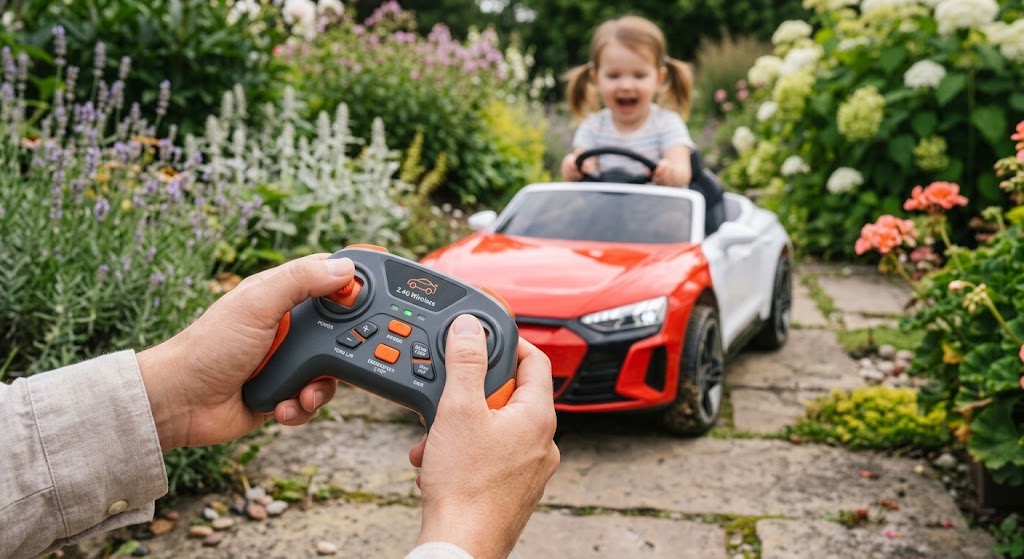
1. 2.4G Parental Remote Control Override
Even though 3-year-olds can learn to steer and use foot pedals, their reaction times remain developing. A 2.4G Bluetooth parental remote control is an essential feature that allows parents to control direction, adjust speed modes, or trigger an immediate emergency brake whenever necessary.
2. Dual Speed Settings & Soft-Start Technology
A quality 12V car generally offers two speed modes: low speed (around 1.5 to 2 mph) and high speed (up to 3.5 to 4 mph). Built-in Soft-Start Technology ensures gradual acceleration, eliminating sudden jolts that could startle young drivers.
3. Integrated Media & Entertainment Systems
To enhance the driving experience, top models include working LED headlights, realistic engine start sounds, functional horns, and built-in MP3, USB, or Bluetooth sound systems so toddlers can play their favorite songs while driving.
Battery Life and Charging Expectations for 12V Vehicles
Understanding battery mechanics is vital when selecting the Best 12V Electric Ride-On Cars for 3-Year-Olds to prevent mid-play battery drains.
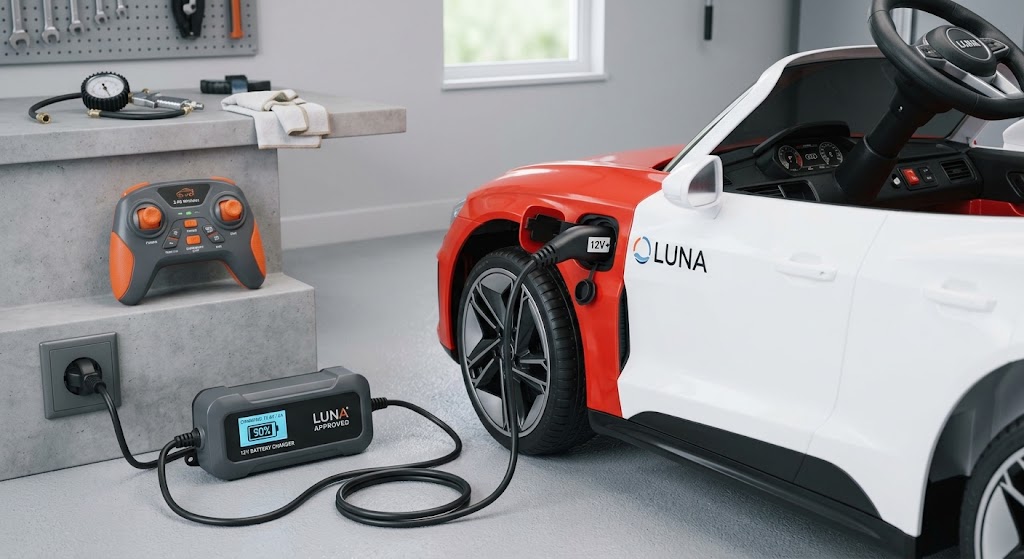
| Battery Metric | Standard Expectation |
| Average Continuous Runtime | 45 to 90 Minutes (Varies by weight & terrain) |
| Initial Battery Charge Time | 8 to 12 Hours (Do not exceed 18 hours) |
| Standard Recharge Time | 8 to 10 Hours |
| Battery Lifespan | 1 to 3 Years (With proper maintenance) |
Factors Affecting Battery Life
- Terrain Type: Driving on thick grass, gravel, or inclines draws significantly more power than driving on flat concrete.
- Rider Weight: Operating near the maximum weight limit drains battery reserves faster.
- Feature Usage: Continuous use of headlights, sound systems, and dual-motor high-speed modes increases energy consumption.
Top Structural Components to Consider
The structural design determines how well the vehicle handles outdoor conditions over time.
1. Dual Motor Traction & Spring Suspension
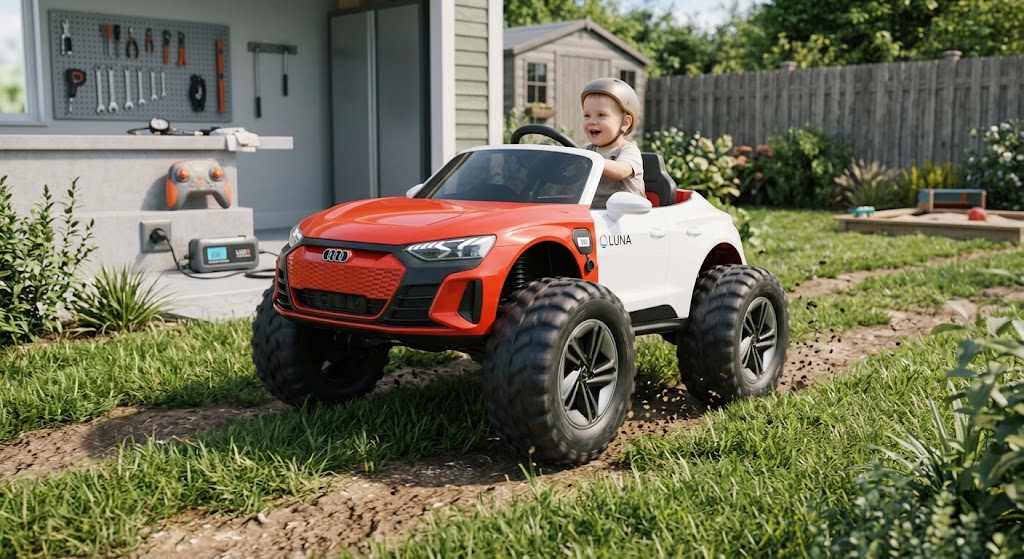
Unlike single-motor vehicles, cars equipped with dual 12V motors drive power to both rear wheels. Combined with 4-wheel independent spring suspension systems, these vehicles provide a smooth ride over uneven backyard terrain.
2. Durable Wear-Resistant Wheels
Look for vehicles with heavy-duty EVA foam rubber tires or reinforced plastic wheels with non-slip traction strips. These offer superior grip and lower noise levels compared to hollow plastic wheels.
Developmental Benefits of 12V Ride-On Cars
Driving a 12V vehicle offers valuable physical and cognitive learning opportunities. According to active play guidelines from the Centers for Disease Control and Prevention (CDC) , physical activities that challenge spatial judgment help build foundational coordination in early childhood.
- Spatial Awareness & Navigation: Learning to steer around trees, pathways, and outdoor obstacles helps toddlers judge distance, speed, and spatial relationships.
- Fine and Gross Motor Skills: Operating pedals and hand controls simultaneously strengthens leg muscles and refines bilateral coordination.
- Confidence & Decision-Making: Steering independently fosters self-reliance and gives children a sense of personal accomplishment.
Safety Guidelines for 3-Year-Old Ride-On Car Drivers
To maintain a safe play environment, follow established child toy safety frameworks outlined by pediatric resources like HealthyChildren.org
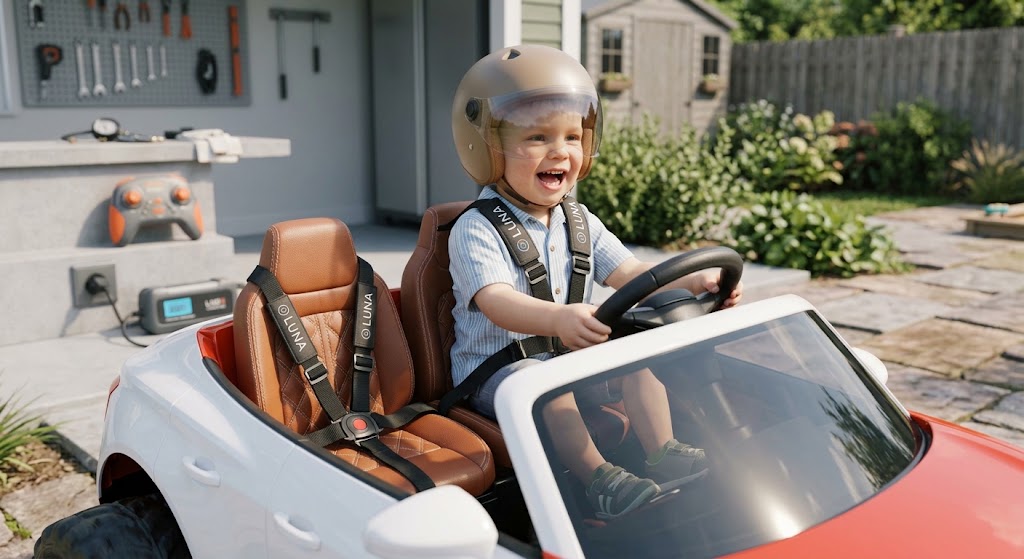
- Always Fasten Safety Harnesses: Ensure your child uses an adjustable 3-point or 5-point safety harness during every ride.
- Wear Protective Headgear: Encourage early safety habits by having your toddler wear a lightweight helmet during outdoor driving sessions.
- Set Clear Driving Boundaries: Keep vehicles away from public roadways, steep slopes, pools, or drop-offs.
- Active Adult Supervision: Always maintain visual contact and keep the parental remote control in hand during operation.
Battery Care and Maintenance Tips
To maximize the life of your vehicle’s 12V battery, follow these maintenance practices:
- Charge After Every Use: Recharge the battery after each driving session rather than letting it drain completely to 0%.
- Avoid Overcharging: Unplug the charger once the recommended time limit (usually 8 to 10 hours) is reached.
- Off-Season Care: If storing the vehicle during cold winter months, charge the battery at least once a month to prevent deep discharge damage.
Final Verdict on the Best 12V Electric Ride-On Cars for 3-Year-Olds
Investing in the Best 12V Electric Ride-On Cars for 3-Year-Olds gives your child an engaging outdoor vehicle that balances speed, stability, and safety. By prioritizing key features like parental remote control overrides, dual-motor power, durable suspension, and proper battery maintenance, you can ensure a reliable and rewarding driving experience for your growing toddler.
Explore The Sprout Minds for more expert parent guides, outdoor toy reviews, and child development insights!
“If you want to spark your child’s love for reading early on, explore our guide on [Interactive Storybooks for Toddlers to Build an Early Reading Habit].”